Prompt Florence KY Hazardous Tree
Learn about the Crucial Services Offered by a Professional Arborist for Optimal Tree Health
A professional arborist delivers a variety of services essential for ensuring tree wellness and enhancing landscapes. Their expertise in tree pruning encourages growth and reduces risks. They also assess and handle tree diseases, making sure personalized treatments are implemented - Florence Arborist. Additionally, arborists handle safe tree removals and aid in planting and transplanting. Their role becomes even more crucial during urgent times such as storm damage. Being aware of these services can significantly affect one’s approach to tree care
The Value of Tree Pruning
Although many homeowners often neglect the importance of tree pruning, it is crucial in maintaining the health and aesthetics of trees. Proper pruning helps trees develop a strong structure, removing dead or diseased branches that could pose risks. By carefully cutting branches, the tree can focus its energy on healthy growth, encouraging improved air flow and sunlight penetration. Additionally, pruning can enhance the overall appearance of the tree, shaping it for aesthetic appeal in residential landscapes.
Moreover, regular pruning can prevent potential hazards, such as limbs falling during storms or high winds, which could harm property or hurt people. It also helps prevent of pest infestations and diseases by enhancing the tree's hardiness. Ultimately, investing in professional arborist services for tree pruning makes sure trees are kept healthy, safe, and visually pleasing, adding significantly to the overall beauty and value of the property.
Diagnosing and Managing Tree Diseases
Tree health can be greatly compromised by a range of diseases that may not always be readily apparent. A professional arborist serves a vital function in diagnosing these conditions early, utilizing a combination of visual inspections and assessment instruments. Symptoms such as unusual leaf coloration, wilting, or abnormal growth habits often signal underlying health issues. Arborists evaluate these signs to identify specific diseases, whether fungal, bacterial, or viral in nature.
Following the diagnosis, the tree specialist creates a specific treatment strategy. This may include specific applications, such as bactericides or fungicides, and cultivation methods that improve the tree's strength. Moreover, adequate irrigation, the application of mulch, and feeding can significantly boost the vitality of the tree and resistance to diseases. Routine check-ups and further interventions are essential for successful control, guaranteeing the lifespan and vitality of background information the trees. When dealing with tree diseases promptly, tree specialists ensure the environmental value and aesthetic appeal provided by healthy trees.
Secure Methods for Tree Extraction
Safe tree extraction techniques are essential for guaranteeing the safety of the crew and limiting harm to surrounding property. Expert tree specialists conduct a comprehensive evaluation of the tree's condition, its location, and the immediate vicinity before proceeding with removal. Arborists use specific tools, such as ropes and cutting tools, to ensure accurate cutting and maintain control while cutting down the tree.
A thoughtful felling approach requires recognizing risks, such as structures or overhead wires, which can impact the safety of the operation. Tree specialists frequently employ a method known as "sectional dismantling," in which the tree is removed in small sections, lessening the hazard posed by dropping wood.
In addition, they follow local regulations and guidelines to guarantee compliance and responsible environmental care. Once the tree is down, proper cleanup and disposal of the remaining wood and brush, including stump grinding, help improve the overall security and look of the landscape.
Tree Planting and Relocation
Planting and transplanting trees demands close attention of site selection and planting techniques to guarantee long-term health and development. Choosing the correct site significantly influences a tree's development, while proper planting methods minimize stress and aid in successful rooting. Arborists emphasize these factors as vital for boosting the strength and endurance of trees in all environments.
Choosing the Right Location
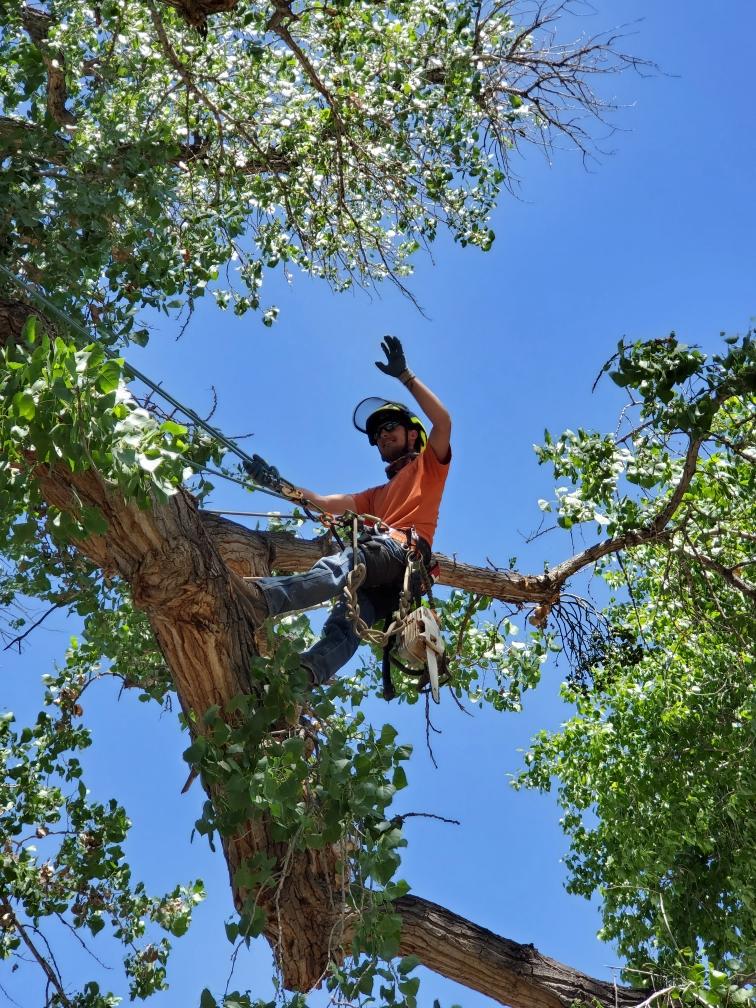
Finding the perfect spot for planting or transplanting trees is essential for their sustained health and success. Elements like soil quality, the amount of sun, and water runoff must be thoroughly assessed. Certified arborists assess the site's characteristics, ensuring that the selected area offers sufficient nourishment and support for the tree species. In addition, the closeness to current buildings and neighboring vegetation is essential to avoid resource contention and avoid potential damage. Arborists also consider the tree’s full-grown dimensions and underground network, ensuring sufficient space for growth. Through a comprehensive site evaluation, these professionals assist customers reach educated conclusions that foster robust, flourishing trees, thereby improving the landscape’s visual appeal and natural benefits.
Optimal Planting Methods
When the planting spot is meticulously reviewed and picked, the subsequent phase requires applying the best tree installation practices. Proper preparation of the planting hole is vital; it should be twice the width of the root ball and the same depth as the root ball. The plant must be positioned in the opening so that the top of the root ball is level with the surrounding soil. Refill using the original dirt, making sure to eliminate air gaps, and soak the area well to encourage early root growth. Applying mulch at the bottom aids in water retention and inhibit unwanted growth. Florence Arborist. If moving mature plants, care must be taken to reduce root trauma and relocate the plant in its resting phase for the greatest likelihood of thriving. Adhering to these methods promotes robust development and extended health
Responding to Storm-Related Tree Hazards
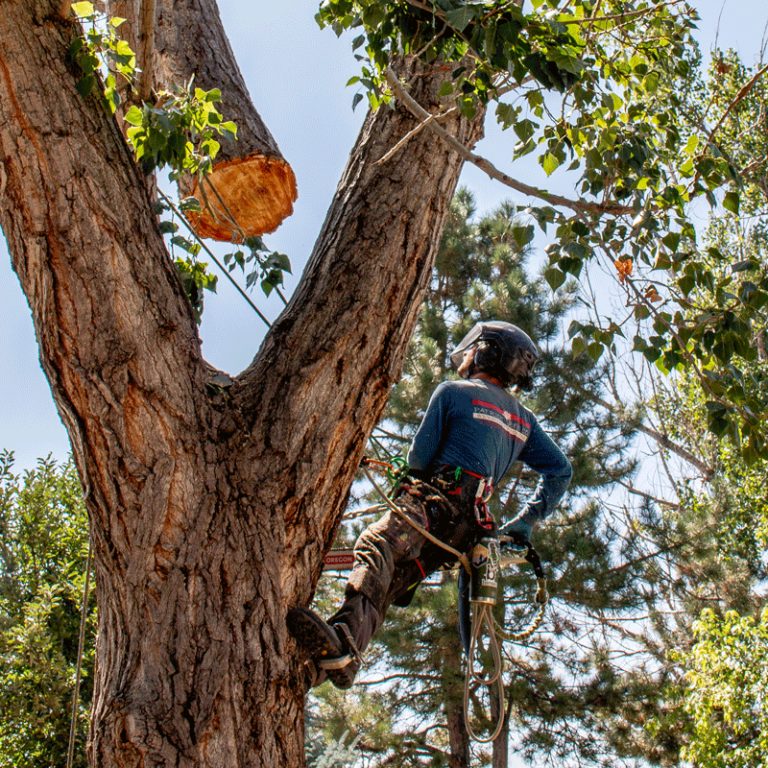
After powerful weather events occur, the aftermath can leave trees in dangerous states, posing risks to property and safety. Professional arborists play a vital role in crisis management, inspecting weather-damaged trees to gauge their soundness and condition. Their knowledge enables them to determine which trees are recoverable and which are serious, instant risks that require extraction.
Armed with the right gear, tree experts are able to securely trim fractured limbs and haul away refuse, reducing additional harm to surrounding areas. They also provide valuable advice on precautionary steps, such as selecting resilient tree species for subsequent landscaping.
Apart from the initial cleanup, tree specialists assist clients in grasping the future impacts resulting from the weather, providing advice for restoration and healing. By responding rapidly and capably, professional arborists not only protect property but also contribute to the restoration of the local environment following major weather events.
Nutritional Support and Soil Management
Subsequent to storm damage, attention turns to the health of remaining trees, highlighting the significance of nutritional support and ground care. A certified tree specialist checks soil conditions and tree health to figure out specific nutritional needs. Trees need vital elements, like nitrogen, phosphorus, and potassium, to bounce back and flourish post-stress incidents.
Ground care plays an essential role in nutrient availability and root development. Tree specialists often suggest ground improvements, like organic matter, to boost the ground's composition and the action of microorganisms. The correct pH balance are also checked, as they affect how nutrients are absorbed.
Using mulching methods can improve moisture retention and suppress weeds, making a suitable condition for trees to heal. Through the creation of a comprehensive nutrient strategy and using smart soil maintenance methods, arborists guarantee trees recover their vigor, resilience, and total well-being, vital for keeping the environment stable in the wake of ecological disruptions.
Frequently Asked Questions
What is the Recommended Inspection Frequency?
Trees should be evaluated once a year for peak health. However, checking them more often may be necessary for younger trees, post-major weather incidents, or if distress or illness becomes apparent.
What Expertise is Needed in an Arborist?
When hiring a tree specialist, one should prioritize certifications such as ISA (the ISA) accreditation, applicable work history, proper liability insurance, and a strong reputation locally, confirming knowledge in arboriculture and safety practices.
Are There Specific Tools Arborists Use for Tree Care?
Arborists employ various specialized tools for tree care, such as chainsaws, pruning shears, climbing gear, and stump grinders. Each tool serves a specific purpose, facilitating good care, pruning, and tree extraction while promoting overall health and safety.
What is the Influence of Climate on Tree Health?
Weather conditions greatly impact tree health; heavy rainfall may result in root rot, while lack of water weakens trees. Harsh weather conditions often result in harm to leaves and branches, ultimately affecting development, sturdiness, and overall strength of the trees.
Can I Perform Tree Care Myself, or Should I Hire a Professional?
While some basic tree care tasks can be done by people themselves, it is usually recommended to hire an expert - Florence Arborist. Specialists are equipped with unique expertise and gear, to make sure the trees receive the right maintenance needed for ideal health and growth